
Spring Roof Maintenance Checklist for Regina Homeowners
Spring Roof Maintenance Checklist for Regina Homeowners
Winter in Regina, Saskatchewan can be tough on your home, and your roof often takes the biggest hit. Months of snow, freezing temperatures, ice buildup, and strong prairie winds can leave behind damage that isn’t always visible from the ground. As spring arrives, taking the time to inspect and maintain your roof can help you catch small issues before they become expensive repairs.
Following a spring roof maintenance checklist is one of the simplest ways to protect your investment and extend the life of your roofing system. Whether your home has asphalt shingles, a metal roof, or another roofing material, seasonal maintenance keeps your roof performing at its best.
In this guide, you’ll learn exactly what to inspect after winter, how to identify common roofing problems, and when it’s time to contact a professional roofing contractor. These practical tips are tailored for Regina homeowners, helping you prepare your roof for the warmer months while reducing the risk of leaks, structural damage, and premature roof replacement.
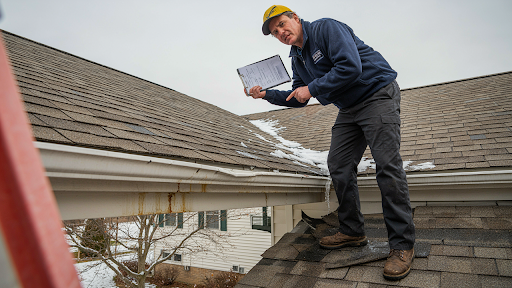
Why Spring Roof Maintenance Matters in Regina
Every season affects your roof differently, but winter is often the most demanding. Snow accumulation, repeated freeze thaw cycles, and ice dams can weaken roofing materials and create hidden damage that only becomes noticeable once the snow melts.
Completing a roof maintenance checklist in spring offers several benefits:
- Detect damage before it worsens.
- Extend your roof’s lifespan.
- Prevent costly water damage.
- Improve your home’s energy efficiency.
- Protect attic insulation and ventilation.
- Reduce the likelihood of emergency roof repairs.
A small issue, such as a loose shingle or cracked flashing, may seem insignificant today. Left untreated, however, it can allow moisture to enter your home, leading to mold growth, rotting wood, and interior damage.
For homeowners in Regina, Saskatchewan, spring is the ideal time to inspect your roof before heavy spring rains and summer storms arrive.
How Saskatchewan Winters Affect Your Roof
Understanding how winter impacts your roofing system helps explain why spring roof inspection is so important.
Heavy Snow Loads
Snow can place significant weight on your roof. Although modern roofing systems are designed to handle winter conditions, prolonged snow accumulation places additional stress on structural components.
Ice Dams
Ice dams form when melting snow refreezes along the roof edge.
This can cause:
- Water backup beneath shingles
- Roof leaks
- Damaged insulation
- Ceiling stains
- Interior moisture problems
Proper attic ventilation and insulation help reduce ice dam formation.
Freeze Thaw Cycles
Regina experiences frequent temperature fluctuations throughout late winter and early spring.
Water enters tiny cracks in shingles and flashing.
When temperatures drop overnight, the water freezes and expands.
Over time this process causes:
- Cracked shingles
- Damaged flashing
- Roof leaks
- Weakened sealants
High Prairie Winds
Strong Saskatchewan winds may loosen shingles, ridge caps, and flashing.
Even if shingles remain attached, lifted edges allow moisture to penetrate beneath the roofing system.
UV Exposure
Once spring arrives, stronger sunlight begins drying roofing materials.
Older asphalt shingles become brittle after years of UV exposure, making regular inspections even more important.
Your Complete Spring Roof Maintenance Checklist
1. Inspect Your Roof from the Ground
Before climbing onto your roof, perform a visual inspection from a safe distance.
Look for:
- Missing shingles
- Curled shingles
- Sagging rooflines
- Loose flashing
- Debris accumulation
- Fallen branches
Binoculars are often enough to spot obvious issues safely.
2. Check for Missing or Damaged Shingles
Shingles provide your home’s first layer of protection.
Inspect for:
- Curling edges
- Cracks
- Missing shingles
- Blistering
- Granule loss
Damaged shingles expose the underlayment to moisture, increasing the risk of leaks.
3. Inspect Roof Flashing
Roof flashing seals vulnerable areas around:
- Chimneys
- Skylights
- Plumbing vents
- Roof valleys
Loose or corroded flashing is one of the leading causes of roof leaks.
If you notice gaps or rust, schedule repairs promptly.
4. Clean Gutters and Downspouts
Winter often leaves gutters filled with:
- Leaves
- Twigs
- Pine needles
- Dirt
- Roof granules
Blocked gutters prevent proper drainage.
Water may overflow beneath shingles and damage fascia boards.
After cleaning, ensure downspouts direct water several feet away from your home’s foundation.
5. Examine Soffits and Fascia
Your soffits and fascia support roof ventilation while protecting the roof edge.
Check for:
- Rotting wood
- Peeling paint
- Water stains
- Animal nests
- Loose panels
Healthy soffits improve attic airflow, helping regulate temperature and moisture levels throughout the year.
6. Check Your Attic for Signs of Moisture
A roof inspection shouldn’t stop outside. Your attic can reveal problems that aren’t visible from the roof surface.
Look for:
- Water stains on wood
- Damp insulation
- Mold or mildew
- Sunlight coming through the roof deck
- Condensation around vents
Proper attic ventilation helps regulate temperature and moisture, reducing the risk of mold and extending your roof’s lifespan. If you notice any of these warning signs, schedule a professional roof inspection in Regina before the damage worsens.
7. Inspect Roof Vents and Chimneys
Roof penetrations are common sources of leaks because they interrupt the roofing surface.
Inspect:
- Plumbing vent boots
- Exhaust vents
- Chimney flashing
- Skylights
- Satellite mounts
Watch for cracked sealant, loose flashing, rust, or gaps where water could enter. Addressing these small issues early can prevent expensive interior repairs.
8. Remove Debris from the Roof
After a long Saskatchewan winter, your roof may collect:
- Tree branches
- Leaves
- Pine needles
- Dirt
- Moss
Debris traps moisture against roofing materials, which can accelerate deterioration and encourage algae or moss growth.
If your roof has a steep slope, avoid climbing onto it yourself. A professional roofing contractor has the equipment and experience to remove debris safely.
9. Look for Signs of Animal Damage
Spring is the nesting season, and small animals often look for shelter around roofs.
Check for:
- Bird nests
- Squirrel activity
- Damaged soffits
- Chewed fascia boards
- Open vents
Animals can damage insulation, block ventilation, and create entry points for moisture.
10. Schedule a Professional Roof Inspection
While homeowners can perform basic visual inspections, a professional inspection provides a much more detailed assessment.
An experienced roofing contractor can identify:
- Hidden leaks
- Storm damage
- Structural issues
- Ventilation problems
- Loose flashing
- Early signs of roof failure
For Regina homeowners, scheduling an annual inspection each spring is one of the most effective ways to protect your investment.
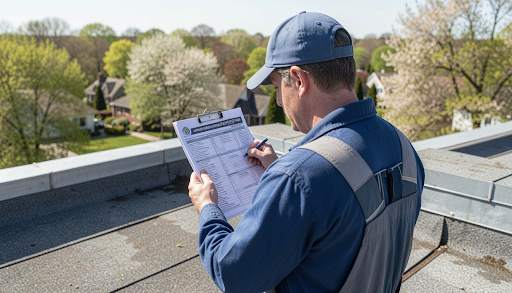
Common Roof Problems Found During Spring
Spring inspections often uncover damage caused by winter weather. Some of the most common issues include:
Missing or Lifted Shingles
High prairie winds can loosen or remove shingles, exposing the underlayment to moisture.
Roof Leaks
Small leaks often go unnoticed during winter but become apparent after snow melts or spring rains begin.
Signs include:
- Ceiling stains
- Peeling paint
- Damp insulation
- Mold growth
Damaged Flashing
Flashing expands and contracts throughout winter, causing sealants to crack and joints to loosen.
Ice Dam Damage
Even after ice melts, the damage it caused may remain hidden beneath shingles.
Water trapped under roofing materials can weaken decking and insulation.
Granule Loss
Asphalt shingles naturally lose protective granules over time.
Large amounts of granules in your gutters indicate your roof may be nearing the end of its service life.
DIY Roof Maintenance vs. Hiring a Professional
Many spring maintenance tasks are safe for homeowners, but some require professional expertise.
DIY Tasks | Professional Services |
Ground level inspection | Full roof inspection |
Cleaning gutters | Leak detection |
Removing yard debris | Roof repairs |
Checking attic for leaks | Flashing replacement |
Trimming nearby branches | Storm damage assessment |
Looking for missing shingles | Structural evaluation |
Walking on a roof without proper safety equipment can be dangerous, especially if shingles are wet or damaged.
How Spring Maintenance Extends Your Roof's Lifespan
Routine maintenance is one of the most cost effective ways to protect your home.
Benefits include:
Prevents Small Problems from Becoming Major Repairs
Replacing a few shingles is much less expensive than replacing water-damaged roof decking.
Protects Your Home from Water Damage
Water infiltration can affect:
- Walls
- Ceilings
- Electrical systems
- Insulation
- Flooring
Early maintenance reduces these risks.
Improves Energy Efficiency
A well-maintained roof and properly ventilated attic help regulate indoor temperatures, reducing heating and cooling costs.
Maximizes Roofing Warranty
Many manufacturer warranties require proper maintenance and timely repairs.
Keeping inspection records may also simplify future warranty claims.
Signs You Should Schedule Roof Repairs Immediately
Don’t wait until a leak becomes an emergency.
Contact a roofing professional if you notice:
- Missing shingles
- Water stains indoors
- Sagging roof sections
- Large amounts of granules in gutters
- Visible flashing damage
- Mold in the attic
- Daylight visible through the roof deck
- Damage after hail or windstorms
Prompt repairs help prevent further deterioration and may eliminate the need for premature replacement.
Additional Spring Roofing Tips for Regina Homeowners
Along with following your spring roof maintenance checklist, these habits can help protect your roof year round:
- Inspect your roof after major storms.
- Keep gutters clear throughout spring and fall.
- Trim overhanging tree branches.
- Watch for moss or algae growth.
- Ensure attic vents remain unobstructed.
- Document roof conditions with photos each year.
- Schedule professional inspections annually.
Preventive maintenance costs far less than repairing extensive structural damage.
Final Thoughts
Spring is the perfect time for homeowners in Regina, Saskatchewan to assess the condition of their roofing system after months of harsh winter weather. Snow, ice, freezing temperatures, and strong winds can leave behind hidden damage that often goes unnoticed until leaks or structural issues appear.
By following this spring roof maintenance checklist, you can identify minor problems early, protect your home from costly repairs, and extend the life of your roof. Regular inspections, clean gutters, proper attic ventilation, and prompt repairs all play a vital role in maintaining a healthy roofing system.
If you notice signs of damage during your inspection, don’t delay. Addressing issues early with professional roof repair services can often prevent the need for a full roof replacement later. Whether you need a seasonal inspection or expert advice, proactive maintenance is the best investment you can make to keep your Regina home protected throughout the year.
Frequently Asked Questions
1. When should I complete my spring roof maintenance checklist in Regina?
The best time is after the snow has melted and temperatures consistently remain above freezing, typically between April and May. This allows you to identify any damage caused by winter before spring rains arrive.
2. How often should homeowners schedule a roof inspection in Regina?
A professional roof inspection should be performed at least once a year, ideally every spring. It’s also recommended after severe hailstorms, high winds, or heavy snowfall.
3. What are the most common roof problems after a Saskatchewan winter?
Winter can cause missing shingles, damaged flashing, ice dam damage, roof leaks, clogged gutters, granule loss, and moisture issues in the attic. A spring inspection helps identify these problems early.
4. Can regular roof maintenance extend the life of my roof?
Yes. Routine maintenance, annual inspections, gutter cleaning, proper attic ventilation, and timely repairs can significantly extend your roof’s lifespan while reducing the likelihood of costly repairs or premature replacement.
5. Should I inspect my roof myself or hire a professional?
Homeowners can safely perform a visual inspection from the ground and check their attic for signs of leaks. However, a professional roofing contractor can identify hidden damage, assess structural components, and recommend the most effective repairs safely and accurately.