
Roof Maintenance Tips Every Homeowner Should Know
Roof Maintenance Tips Every Homeowner Should Know
How often do you think about your roof? For most homeowners, the answer is probably only when there’s a leak, missing shingle, or visible damage. But waiting for a roofing problem to become obvious can turn a small repair into a much more expensive project.
Regular roof maintenance helps protect your home, extend the life of your roofing system, and identify problems before they cause serious damage. This is particularly important for homeowners in Regina, Saskatchewan, where roofs face heavy snow, freezing temperatures, strong winds, hail, freeze thaw cycles, and summer UV exposure.
The good news is that effective roof care doesn’t have to be complicated. A combination of routine visual checks, gutter maintenance, timely repairs, and professional inspections can make a significant difference.
This roof maintenance guide explains the most important steps homeowners should take to keep their roofs in good condition throughout the year.
Why Is Roof Maintenance Important?
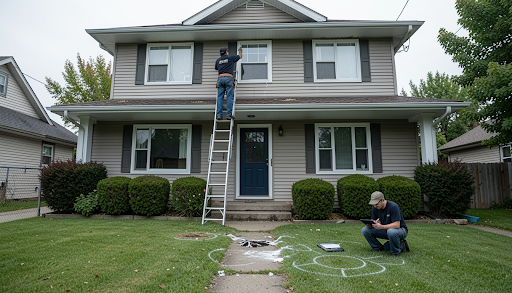
Your roof is your home’s primary defense against rain, snow, wind, ice, and other outdoor elements. Even minor damage can allow moisture to enter the roofing system and eventually affect insulation, decking, walls, ceilings, and other parts of the home.
Regular maintenance can help you:
- Identify damaged or missing shingles early
- Prevent minor leaks from becoming major problems
- Protect your attic from moisture
- Keep gutters and drainage systems working properly
- Extend your roof’s service life
- Reduce the likelihood of emergency repairs
- Protect your home’s interior and structure
- Make informed decisions about future roof replacement
For Regina homeowners, seasonal maintenance is especially valuable because winter weather can place considerable stress on roofing materials.
15 Roof Maintenance Tips Every Homeowner Should Know
1. Inspect Your Roof Regularly
One of the simplest roof maintenance tips is to inspect your roof regularly.
You don’t necessarily need to climb onto the roof. In fact, walking on a roof without appropriate safety equipment can be dangerous and may damage certain roofing materials.
Instead, inspect the roof from the ground using binoculars when appropriate. Look for:
- Missing shingles
- Curling or cracked shingles
- Sagging areas
- Damaged flashing
- Excessive moss or algae
- Debris accumulation
- Visible signs of storm damage
A professional inspection can provide a more thorough assessment when you notice something unusual.
2. Look for Missing or Damaged Shingles
Shingles protect the underlying roofing system from water and weather. When they’re missing, cracked, curled, or badly worn, moisture can reach areas that aren’t designed to remain exposed.
After strong winds or storms in Regina, check for visible shingle damage from the ground.
Don’t ignore a few damaged shingles simply because the rest of your roof appears healthy. Small areas of damage can become larger problems when rain, snow, and ice repeatedly reach the exposed sections.
Timely roof repair can often address localized problems before they develop into more extensive damage.
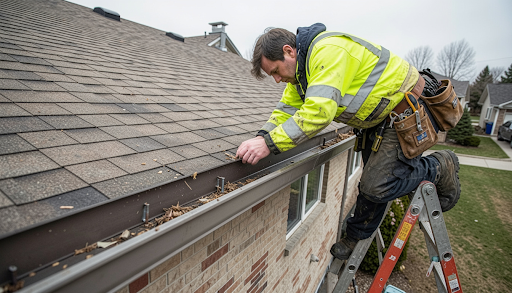
3. Keep Gutters and Downspouts Clean
Gutters are an important part of your home’s roof drainage system.
When gutters become clogged with leaves, branches, dirt, or roofing granules, water may not drain properly. Instead, it can overflow near the roof edge or collect around the foundation.
As part of your regular roof care:
- Clean gutters regularly
- Remove debris from downspouts
- Check for sagging sections
- Look for leaks or separated joints
- Make sure water flows away from the foundation
Gutter maintenance is particularly important during spring and fall when debris accumulation tends to increase.
4. Inspect Roof Flashing
Flashing is installed around vulnerable areas such as chimneys, skylights, roof valleys, vents, and other roof penetrations.
Because these areas interrupt the continuous roofing surface, they require proper sealing and protection.
During an inspection, look for:
- Loose flashing
- Rust or corrosion
- Cracked sealant
- Visible gaps
- Damaged flashing materials
Damaged flashing is a common source of roof leaks. If you suspect a flashing problem, have it evaluated before water enters the underlying structure.
5. Check Your Attic Ventilation
Roof maintenance isn’t only about what happens outside your home.
Your attic plays an important role in the performance and longevity of your roofing system. Proper ventilation helps control heat and moisture buildup.
Poor ventilation can contribute to:
- Excess moisture
- Condensation
- Mold growth
- Premature shingle deterioration
- Ice dam formation
- Higher indoor temperatures
Regina homeowners should pay particular attention to attic ventilation because significant temperature differences between the interior and exterior can create moisture related problems.
If you’re unsure whether your attic ventilation is adequate, a professional roofing inspection can help.
6. Watch for Signs of Roof Leaks
A roof leak isn’t always immediately visible from outside.
Inside your home, watch for:
- Brown or yellow ceiling stains
- Damp attic insulation
- Peeling paint
- Musty odors
- Water marks around vents
- Damp walls
- Mold or mildew
If you notice these signs, don’t assume the problem will disappear once the weather improves.
Water can travel along roofing materials, insulation, and framing before appearing inside your home. The location of an interior stain may therefore not be directly below the actual source of the leak.
7. Trim Overhanging Tree Branches
Trees can add beauty and shade to your property, but branches that hang over your roof can create maintenance problems.
During windy weather, branches may rub against shingles or fall onto the roof. Leaves and smaller debris can also collect in valleys and gutters.
Regularly trimming branches can help:
- Reduce the risk of impact damage
- Limit debris accumulation
- Improve roof ventilation
- Reduce moss and moisture buildup
If a large tree is close to your home, consider having it assessed by an appropriate tree-care professional.
8. Remove Debris From the Roof
Leaves, branches, dirt, and other debris can trap moisture against roofing materials.
This is particularly problematic in roof valleys and other areas where water naturally collects.
Don’t use aggressive tools or pressure washing to clean shingles. Improper cleaning methods can remove protective granules and shorten the life of asphalt shingles.
For steep or difficult-to-access roofs, professional maintenance is the safer option.
9. Watch for Moss and Algae
Moss and algae can become noticeable on certain roofs, particularly where moisture and shade persist.
Moss can hold moisture against roofing materials and may contribute to deterioration over time.
If you see significant growth, avoid simply scraping it away because aggressive removal can damage shingles.
Instead, determine why moisture is accumulating and use an appropriate cleaning method or professional service when necessary.
10. Check Chimneys, Vents, and Other Roof Penetrations
Every penetration through your roof creates another potential point of water entry.
Inspect areas around:
- Chimneys
- Plumbing vents
- Exhaust vents
- Skylights
- Satellite equipment
- Other roof-mounted fixtures
Look for cracked seals, loose components, or visible gaps.
These areas deserve particular attention after severe weather because wind and temperature changes can loosen or damage materials.
11. Inspect Your Roof After Severe Weather
Don’t wait for your normal maintenance schedule after a major storm.
Strong winds, hail, heavy snow, and falling branches can cause damage that isn’t immediately obvious from inside your home.
After severe weather, look for:
- Missing shingles
- Exposed roofing materials
- Damaged flashing
- Dented or cracked roofing components
- Fallen branches
- Gutter damage
If you’re concerned about possible storm damage, arrange a professional inspection rather than attempting to investigate unsafe areas yourself.
12. Keep Your Roof Drainage System Working Properly
Water should have a clear path from your roof to the ground.
Check that:
- Gutters aren’t blocked
- Downspouts are connected
- Extensions direct water away from the foundation
- Roof valleys aren’t blocked by debris
- Water isn’t pooling against roof edges
Poor drainage can contribute to moisture intrusion and deterioration of roofing components.
13. Address Small Repairs Quickly
One of the most important principles of roof care is simple: don’t ignore small problems.
A loose shingle may seem insignificant. A small flashing gap may not cause an immediate leak. But exposure to repeated rain, snow, ice, and temperature changes can make these problems worse.
Prompt repairs can help prevent:
Small defect → Water intrusion → Material damage → Structural problems → Expensive repair
Getting a minor issue evaluated early can make roof maintenance considerably easier and more predictable.
14. Schedule Professional Roof Inspections
Homeowners can perform basic visual checks, but professional inspections provide a more detailed evaluation.
A roofing professional can assess:
- Shingle condition
- Flashing
- Roof valleys
- Vents
- Roof edges
- Potential leaks
- Signs of moisture
- General roofing-system condition
Annual inspections are particularly useful for older roofs or homes exposed to severe weather.
For Regina homeowners, a spring inspection is a practical way to identify damage left behind by winter.
15. Keep a Roof Maintenance Record
A simple maintenance record can help you track the condition of your roof over time.
Record:
- Inspection dates
- Repairs completed
- Roofing material
- Approximate installation date
- Storm damage
- Areas that need monitoring
- Professional inspection findings
This information can help you recognize patterns and make better decisions about repairs or eventual replacement.
Seasonal Roof Maintenance Guide for Regina Homeowners
Roof maintenance shouldn’t happen only once a year. Different seasons create different challenges.
Spring Roof Maintenance
Spring is the ideal time to assess damage from winter.
Check for:
- Missing shingles
- Ice dam damage
- Loose flashing
- Blocked gutters
- Water stains
- Damaged vents
- Attic moisture
A professional spring roof inspection can identify problems before spring and summer storms arrive.
Summer Roof Maintenance
Summer brings increased sunlight, heat, and occasional severe storms.
Look for:
- Storm damage
- Hail damage
- Loose shingles
- Damaged flashing
- Excessive granule loss
Keep gutters clear and ensure attic ventilation is functioning properly.
Fall Roof Maintenance
Before winter arrives, clean gutters and remove debris.
Trim nearby branches and address any known roofing issues before snow and freezing temperatures make repairs more difficult.
Winter Roof Maintenance
Avoid unnecessary traffic on the roof during winter.
After significant snowfall, monitor for excessive accumulation and signs of structural stress. If snow removal is necessary, use a qualified professional rather than attempting unsafe removal yourself.
How Often Should You Maintain Your Roof?
There’s no single schedule that works for every home, but a practical maintenance routine includes:
Maintenance Task | Recommended Frequency |
Visual roof check | Several times per year |
Gutter cleaning | At least twice a year |
Professional inspection | Generally once a year |
Storm damage inspection | After major storms |
Attic inspection | At least annually |
Tree and branch assessment | As needed |
Older roofs may require more frequent monitoring than newer roofing systems.
Roof Maintenance vs. Roof Repair
Maintenance and repair aren’t the same thing.
Roof maintenance focuses on preventing problems and keeping the roofing system in good condition. It includes inspections, gutter cleaning, debris removal, and monitoring for early signs of damage.
Roof repair addresses an existing problem, such as a leak, missing shingles, damaged flashing, or storm damage.
The two work together. Good maintenance helps identify repairs while they’re still manageable.
If your roof has visible damage or recurring leaks, consider scheduling an assessment with a professional roof repair contractor in Regina.
How Proper Roof Care Can Extend Roof Lifespan
A roof doesn’t necessarily fail simply because it reaches a particular age. Its lifespan depends on several factors, including:
- Roofing material
- Installation quality
- Weather exposure
- Ventilation
- Maintenance
- Storm damage
- Previous repairs
Regular roof care helps you identify conditions that can shorten roofing life.
For example, repairing damaged flashing can prevent moisture intrusion, while keeping gutters clear helps control drainage. Maintaining attic ventilation can also reduce heat and moisture related stress.
Good maintenance won’t make a roof last forever, but it can help you get the most practical service life from your roofing investment.
When Should You Consider Roof Replacement?
Maintenance and repairs aren’t always enough.
A roof may need replacement when:
- It has reached the end of its expected service life
- Damage is widespread
- Leaks occur repeatedly
- Shingles are extensively deteriorated
- The roof deck has significant damage
- Repair costs are becoming increasingly frequent
- The roofing system can no longer provide reliable protection
If you’re unsure whether you need repairs or replacement, have the roof professionally assessed.
For homeowners planning roof replacement in Regina, an inspection can help determine whether replacement is necessary now or whether maintenance and targeted repairs can safely extend the roof’s remaining life.
Final Thoughts
Regular roof maintenance is one of the simplest ways to protect your home and avoid preventable roofing problems. You don’t need to wait for a leak to take action.
Inspect your roof regularly, keep gutters clear, check flashing and roof penetrations, maintain attic ventilation, trim nearby branches, and address damage promptly. These practical roof maintenance tips can help protect your property through Regina’s changing seasons.
Most importantly, know when a problem is beyond a basic homeowner inspection. A professional assessment can identify hidden damage and help you decide whether your roof needs maintenance, repair, or eventual replacement.
With consistent roof care and a proactive maintenance routine, homeowners can better protect their investment and keep their roofing system performing reliably for years to come.
Frequently Asked Questions
1. How often should I perform roof maintenance?
Homeowners should visually check their roof several times a year and after major storms. Gutters should generally be cleaned at least twice a year, while a professional inspection once a year can help identify hidden or developing problems.
2. What are the most important roof maintenance tips for homeowners?
The most important steps include inspecting shingles, cleaning gutters, checking flashing, maintaining attic ventilation, trimming overhanging branches, watching for leaks, removing debris, and addressing damage promptly.
3. How can I tell if my roof needs repair?
Missing or damaged shingles, water stains, leaks, damaged flashing, excessive granules in gutters, sagging areas, and storm damage can indicate that your roof needs professional attention.
4. Can regular roof care extend the life of my roof?
Yes. Regular inspections and timely maintenance can help prevent minor issues from developing into extensive damage. Keeping the roof and drainage system in good condition can contribute to a longer service life.
5. When should I replace my roof instead of repairing it?
Replacement may make more sense when the roof is near the end of its expected lifespan, damage is widespread, leaks are recurring, or repair needs have become frequent. A professional inspection can help determine the most appropriate option.