
How Long Does a Roof Last in Regina?
How Long Does a Roof Last in Regina?
When was the last time you thought about your roof? If you’re like most homeowners, it’s probably only after spotting a leak or noticing missing shingles. But waiting until problems appear can lead to expensive repairs. Understanding roof lifespan Regina homeowners can expect is one of the best ways to protect your property and budget.
Roofs in Regina, Saskatchewan face some of the harshest weather conditions in Canada. From freezing winters and heavy snowfall to summer heat, hailstorms, and strong prairie winds, your roof works year-round to protect your home. These environmental factors directly affect how long does a roof last, making regular inspections and maintenance essential.
In this guide, we’ll explain the average lifespan of different roofing materials, what shortens or extends roof life, warning signs you shouldn’t ignore, and when it’s time to consider roof replacement Regina homeowners can rely on.
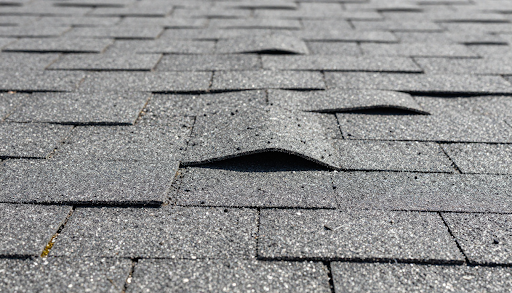
Why Roof Lifespan Matters in Regina, Saskatchewan
Your roof is more than just shingles. It’s a complete system designed to protect your home’s structure from moisture, temperature changes, and weather damage.
In Regina, your roof experiences:
- Heavy snow loads
- Freeze-thaw cycles
- High winds
- Hailstorms
- UV exposure during summer
- Temperature swings exceeding 60°C annually
All of these conditions gradually wear roofing materials down.
Replacing a roof before major structural damage occurs can save thousands of dollars in repairs to insulation, drywall, framing, and electrical systems.
Average Roof Lifespan by Roofing Material
Different roofing materials have different life expectancies.
Roofing Material | Average Lifespan |
Asphalt Shingles | 20–30 Years |
Architectural Shingles | 25–35 Years |
Metal Roofing | 40–70 Years |
Cedar Shake Roofing | 25–40 Years |
Flat Roofing (TPO/EPDM) | 20–30 Years |
These estimates assume professional installation and proper maintenance.
How Long Does an Asphalt Roof Last?
Asphalt shingles are the most common roofing material throughout Regina because they offer excellent value.
Average lifespan:
- Standard 3-tab shingles: 20–25 years
- Architectural shingles: 25–35 years
However, Regina’s weather can shorten this lifespan if homeowners neglect maintenance or repairs.
Factors affecting asphalt roofs include:
- UV exposure
- Ice dams
- Wind uplift
- Poor attic ventilation
- Improper installation
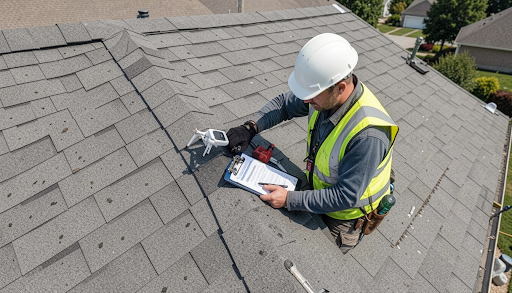
How Long Does a Metal Roof Last?
Metal roofs have become increasingly popular across Saskatchewan because they perform exceptionally well in harsh climates.
Expected lifespan:
- 40–70 years
Benefits include:
- Excellent snow shedding
- Fire resistance
- Low maintenance
- Energy efficiency
- Superior wind resistance
Although metal roofing costs more initially, it often provides better long-term value due to its longevity.
What Shortens Roof Lifespan?
Many homeowners assume age alone determines roof replacement. In reality, several factors influence how long your roof lasts.
1. Regina’s Extreme Weather
Heavy snowfall puts constant weight on roofing systems.
Freeze-thaw cycles cause small cracks to expand over time.
Summer UV rays gradually weaken shingles.
Strong prairie winds can lift shingles and expose the underlayment.
2. Poor Roof Ventilation
A poorly ventilated attic traps heat and moisture.
This causes:
- Curling shingles
- Premature aging
- Mold growth
- Higher energy bills
Proper ventilation significantly increases roof lifespan.
3. Poor Installation
Even premium roofing materials won’t last if installed incorrectly.
Common installation mistakes include:
- Improper flashing
- Incorrect nail placement
- Inadequate underlayment
- Poor sealing
Hiring experienced professionals is one of the most important investments homeowners can make.
4. Lack of Maintenance
Ignoring minor issues almost always leads to larger problems.
Simple annual inspections help identify:
- Missing shingles
- Flashing damage
- Small leaks
- Loose vents
- Gutter problems
Routine maintenance is much less expensive than emergency repairs.
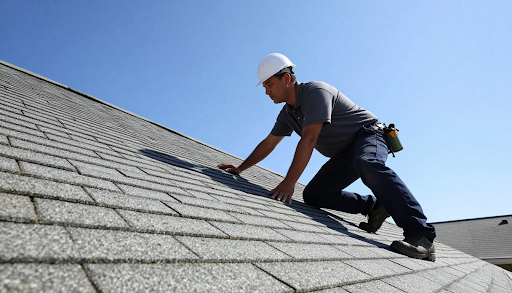
Warning Signs Your Roof Is Near the End of Its Life
Many roofs don’t suddenly fail they provide warning signs well in advance.
Watch for:
Curling or Buckling Shingles
Heat and age cause shingles to lose flexibility.
Missing Shingles
Wind damage often removes shingles, exposing vulnerable layers beneath.
Granules in Gutters
Asphalt shingles naturally lose granules over time.
Large amounts indicate significant wear.
Interior Water Stains
Brown ceiling stains usually signal roof leaks.
Ignoring them can result in mold and structural damage.
Sagging Roof Deck
A sagging roof may indicate moisture damage affecting structural components.
This requires immediate professional attention.
Moss or Algae Growth
Although more common in humid climates, moss traps moisture and accelerates deterioration.
Should You Repair or Replace Your Roof?
Many homeowners ask whether repairs are enough.
Roof repairs are generally suitable when:
- Damage affects a small section.
- The roof is relatively new.
- Storm damage is localized.
Replacement is usually the better investment when:
- The roof exceeds its expected lifespan.
- Repairs become frequent.
- Multiple leaks appear.
- Structural damage exists.
- Shingles are deteriorating across large areas.
If your roof is over 20 years old, scheduling a professional inspection can help determine the most cost-effective solution.
(If you’re unsure whether repairs are enough, our Roof Replacement services can help you assess the condition of your roof and recommend the right solution.)
How Roof Inspections Extend Roof Lifespan
Professional inspections often uncover hidden issues before they become expensive problems.
A typical inspection includes:
- Shingle condition
- Flashing inspection
- Chimney evaluation
- Vent inspection
- Attic ventilation
- Gutter assessment
- Roof decking
- Signs of moisture intrusion
For homes in Regina, annual inspections are highly recommended, especially after severe storms or heavy winters.
Roof Maintenance Tips for Regina Homeowners
Routine maintenance can significantly extend the life of your roof.
Clean Gutters Twice a Year
Blocked gutters allow water to back up beneath shingles.
Remove Snow Safely
Excessive snow loads increase structural stress.
Use professional snow removal when accumulation becomes excessive.
Trim Nearby Trees
Branches rubbing against shingles accelerate wear.
Tree limbs can also damage roofs during storms.
Check Flashing
Flashing protects vulnerable areas around:
- Chimneys
- Skylights
- Roof valleys
- Plumbing vents
Loose flashing often causes leaks.
Schedule Annual Inspections
Small repairs completed early prevent major replacement costs later.
How Regina's Climate Affects Roof Longevity
Regina’s unique climate is one of the biggest factors influencing roof lifespan.
Winter brings prolonged freezing temperatures, heavy snowfall, and ice accumulation. These conditions place constant pressure on roofing systems and can lead to ice dams if attic ventilation is inadequate.
Spring often introduces rapid freeze-thaw cycles that expand small cracks in shingles and flashing.
Summer brings intense sunlight and UV exposure, which gradually dries out asphalt shingles and reduces their flexibility.
Strong prairie winds throughout the year can loosen shingles, especially after storms.
Because of these seasonal challenges, roofs in Regina require more proactive maintenance than those in milder climates.
Choosing the Right Roofing Material for Regina
Selecting the right roofing material can make a significant difference in long-term performance.
Consider factors such as:
- Expected lifespan
- Budget
- Energy efficiency
- Maintenance requirements
- Weather resistance
- Manufacturer warranty
For many homeowners, architectural asphalt shingles provide a balance between affordability and durability. Metal roofing is an excellent option for those planning to stay in their homes for decades.
When Should You Schedule a Roof Inspection?
A roof inspection is recommended:
- Every year
- After hailstorms
- After high winds
- Following heavy snowfall
- Before buying a home
- Before selling a home
- If your roof is over 15 years old
Early detection allows homeowners to address small issues before they require major repairs or replacement.
Why Professional Roofing Matters
A roof is one of the most valuable components of your home. Professional installation and maintenance ensure it performs as intended throughout its expected lifespan.
Experienced roofing contractors understand:
- Proper ventilation requirements
- Local building codes
- Saskatchewan weather conditions
- Manufacturer installation guidelines
- Long-term maintenance strategies
Choosing quality workmanship helps maximize your roofing investment.
Final Thoughts
Understanding roof lifespan Regina homeowners can expect isn’t just about knowing the age of your roof it’s about recognizing how weather, installation quality, maintenance, and roofing materials all work together.
If you’ve been wondering how long does a roof last, the answer depends on several factors. While many asphalt roofs last between 20 and 30 years, proactive maintenance and annual inspections can help them perform at their best. When repairs are no longer cost-effective, investing in roof replacement Regina homeowners trust ensures your property remains protected for years to come.
Whether your roof is approaching the end of its lifespan or you simply want peace of mind after another Saskatchewan winter, regular inspections and timely maintenance are the smartest ways to protect your home.
Frequently Asked Questions
1. How long does a roof last in Regina, Saskatchewan?
Most asphalt shingle roofs last 20–30 years, while metal roofs can last 40–70 years. Regina’s harsh winters, hail, and temperature fluctuations can affect these estimates, making regular maintenance essential.
2. What are the first signs that I need a roof replacement in Regina?
Common signs include curling or missing shingles, frequent leaks, granules in gutters, sagging areas, water stains on ceilings, and visible storm damage. If your roof is over 20 years old, a professional inspection is recommended.
3. How often should I have my roof inspected in Regina?
Homeowners should schedule a professional roof inspection at least once a year and after severe weather events such as hailstorms, heavy snowfall, or high winds to catch issues early.
4. Can regular maintenance extend my roof's lifespan?
Yes. Cleaning gutters, replacing damaged shingles, checking flashing, ensuring proper attic ventilation, and arranging annual inspections can significantly extend the life of your roof.
5. Does homeowners insurance cover roof replacement in Regina?
Insurance may cover roof replacement if the damage is caused by a covered event such as hail, wind, or a fallen tree. Normal aging and lack of maintenance are generally not covered. Review your policy or consult your insurance provider for specific details.
6. Is it better to repair or replace an older roof?
If the damage is minor and the roof is relatively new, repairs are often sufficient. However, if the roof is near the end of its expected lifespan, has multiple leaks, or requires frequent repairs, replacement is usually the more cost-effective long-term solution.
7. What roofing material lasts the longest in Saskatchewan?
Metal roofing typically offers the longest lifespan—often 40 to 70 years—while providing excellent resistance to snow, wind, hail, and extreme temperature changes common in Saskatchewan.