residential roofing guide regina sk
Residential Roofing: The Complete Homeowner's Guide to Installation, Repair, and Replacement
Your roof is one of the most important parts of your home. It protects your family, belongings, and property from rain, snow, wind, and extreme weather conditions. Whether you are building a new home, planning a roof replacement, or dealing with roof damage, understanding the basics of residential roofing can help you make informed decisions.
At Four Corners Roofing, we provide reliable roofing solutions for homeowners across Regina, Saskatchewan, and surrounding areas. Our goal is to help homeowners understand their roofing options and maintain strong, long lasting roofs that protect their investment for years to come.
This guide covers everything you need to know about residential roofing, including installation, repair, replacement, roofing materials, maintenance tips, and choosing the right roofing contractor.
What Is Residential Roofing?
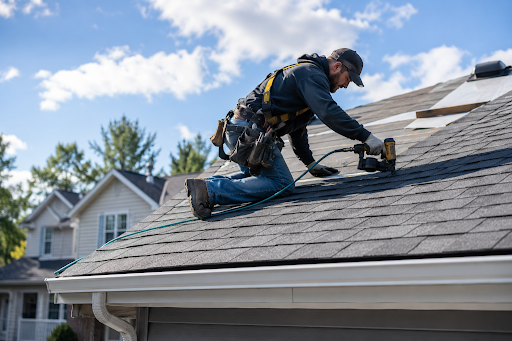
Residential roofing refers to roofing systems specifically designed for homes. A residential roof serves as the first line of defense against the weather while also contributing to a home’s appearance, energy efficiency, and overall value.
Modern residential roofing systems are built using different materials and designs to suit various climates and architectural styles. Homeowners can choose from asphalt shingles, metal roofing, tile roofing, and other durable roofing materials depending on their needs and budget.
Professional residential roofing services ensure that roofs are installed, repaired, and maintained correctly to maximize performance and lifespan.
Why Residential Roofing Matters
A quality roof does much more than keep water out of your home. It offers several important benefits:
Protection from Weather
A properly installed roof protects your home from rain, snow, hail, and strong winds. In Saskatchewan, where weather conditions can be challenging, weather resistant roofing is especially important.
Improved Energy Efficiency
Modern roofing systems can improve insulation and reduce energy costs. Many homeowners choose energy-efficient roofing options that help maintain indoor temperatures throughout the year.
Increased Property Value
A well-maintained roof improves curb appeal and can increase the resale value of a home. Potential buyers often view a newer roof as a major advantage.
Long-Term Cost Savings
Regular maintenance and timely repairs help prevent costly structural damage and extend the life of your roofing system.
Understanding Residential Roof Installation
One of the most important stages of home construction is residential roof installation. Proper installation ensures that the roof performs effectively for decades.
The Roof Installation Process
1. Roof Inspection and Planning
Before installation begins, roofing professionals assess the structure, roof design, and ventilation requirements. This step helps determine the best roofing materials and installation methods.
2. Material Selection
Homeowners choose roofing materials based on durability, appearance, climate, and budget.
Popular options include:
- Asphalt shingles
- Metal roofing
- Cedar shakes
- Synthetic roofing products
- Tile roofing
3. Removal of Existing Materials
For replacement projects, old roofing materials are removed to expose the roof deck and identify any hidden damage.
4. Installation of Underlayment
A waterproof underlayment is installed to provide additional protection against moisture infiltration.
5. Roofing Material Installation
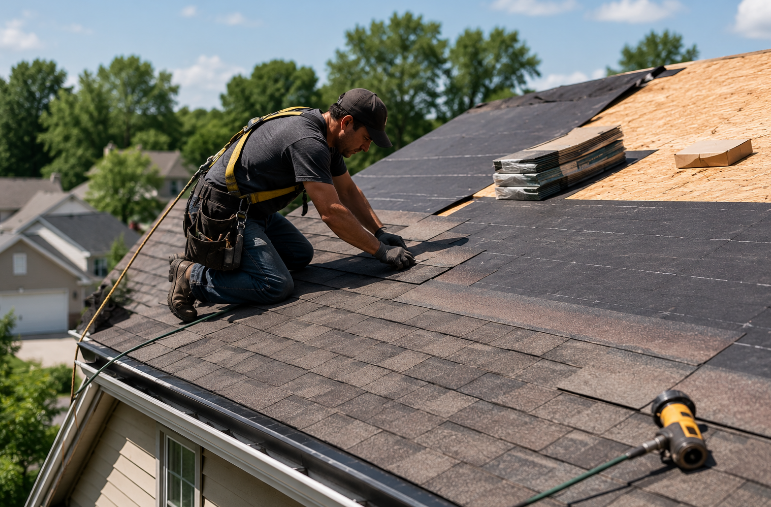
The selected roofing material is carefully installed according to manufacturer specifications and local building codes.
6. Final Inspection
A thorough inspection ensures proper installation and identifies any issues before project completion.
Working with experienced residential roofing contractors helps ensure the installation is completed safely and correctly.
Choosing the Right Roofing Material
Selecting the right roofing material is a major decision for homeowners.
Asphalt Shingles
Asphalt shingles remain one of the most popular residential roofing options because they are affordable, versatile, and available in various colors and styles.
Benefits include:
- Cost effective
- Easy maintenance
- Wide design selection
- Good durability
Metal Roofing for Homes
Many homeowners are turning to metal roofing for homes because of its longevity and energy-saving benefits.
Advantages include:
- Exceptional durability
- Fire resistance
- Low maintenance
- Energy efficiency
- Long lifespan
Metal roofs can often last 40 to 70 years when properly installed and maintained.
Other Durable Roofing Materials
Additional options include:
- Clay tiles
- Concrete tiles
- Slate roofing
- Synthetic roofing systems
These durable roofing materials can provide excellent performance and unique visual appeal depending on the home’s design.
Signs You Need Residential Roof Repair
Even the best roofing systems can experience damage over time. Knowing the warning signs can help you address issues before they become major problems.
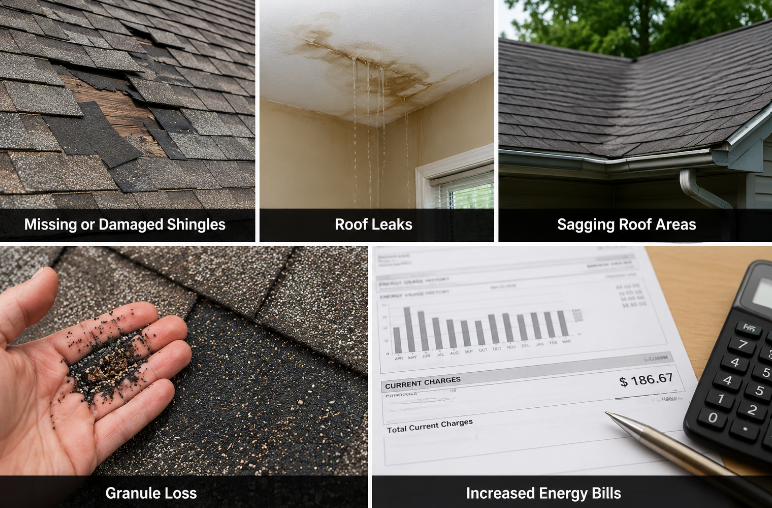
Missing or Damaged Shingles
Cracked, curled, or missing shingles may indicate that repairs are needed.
Roof Leaks
Water stains on ceilings or walls often signal the need for immediate roof leak repair.
Sagging Roof Areas
A sagging roof may indicate structural issues that require professional attention.
Granule Loss
If you notice excessive granules in gutters, your shingles may be deteriorating.
Increased Energy Bills
Poor roof performance can lead to higher heating and cooling costs.
Professional residential roof repair services can identify and fix problems before they lead to extensive damage.
Understanding Storm Damage Roofing
Severe weather can significantly impact roofing systems.
Common Types of Storm Damage
Storms can cause:
- Wind damage
- Hail damage
- Water infiltration
- Fallen tree damage
- Flashing damage
Prompt assessment is essential after severe weather events. Professional storm damage roofing inspections can identify hidden issues that homeowners may overlook.
At Four Corners Roofing, we recommend scheduling a roof inspection after major storms to ensure your roof remains in good condition.
When Is Residential Roof Replacement Necessary?
While repairs can solve many roofing problems, there comes a point when replacement becomes the better investment.
Signs You May Need Residential Roof Replacement
- Roof age exceeds expected lifespan
- Frequent repairs are required
- Significant water damage exists
- Large sections of the roofing are damaged
- Structural concerns are present
A professional residential roof replacement can improve safety, efficiency, and long term property value.
The Importance of Roof Inspections
Regular inspections are one of the best ways to protect your investment.
Why Roof Inspections Matter
A professional roof inspection for homeowners can identify:
- Hidden leaks
- Damaged flashing
- Ventilation issues
- Structural concerns
- Early signs of wear
Many roofing experts recommend inspections at least once a year and after major weather events.
Routine inspections help homeowners avoid expensive repairs and maximize roof lifespan.
Energy Efficient Roofing Solutions
Modern homeowners increasingly prioritize energy savings.
Benefits of Energ Efficient Roofing
Energy efficient roofing can:
- Lower utility bills
- Improve indoor comfort
- Reduce environmental impact
- Extend roof lifespan
Popular energy-efficient roofing options include reflective metal roofing systems and specially designed roofing materials that reduce heat absorption.
For homes in Saskatchewan, energy-efficient solutions can help improve year-round comfort while reducing heating and cooling demands.
Residential Roofing Maintenance Tips
Preventive maintenance can significantly extend the life of your roof.
Keep Gutters Clean
Clogged gutters can lead to water buildup and roof damage.
Remove Debris
Leaves, branches, and debris can trap moisture and accelerate deterioration.
Trim Nearby Trees
Overhanging branches may damage roofing materials during storms.
Inspect After Severe Weather
Check for visible signs of damage following strong winds, hail, or heavy snowfall.
Schedule Professional Inspections
Annual inspections help identify issues before they become major problems.
These simple maintenance practices can help homeowners avoid costly repairs and preserve their roofing investment.
Choosing the Right Residential Roofing Contractors
Selecting the right contractor is one of the most important decisions in any roofing project.
What to Look For
When hiring residential roofing contractors, consider:
- Experience and expertise
- Proper licensing and insurance
- Positive customer reviews
- Quality materials
- Transparent estimates
- Strong warranties
Trusted residential roofing experts will answer your questions, explain your options, and provide recommendations based on your home’s specific needs.
Why Homeowners Trust Four Corners Roofing
At Four Corners Roofing, we understand that every home deserves dependable protection. We provide professional home roofing services throughout Regina and surrounding Saskatchewan communities.
Our team is committed to delivering:
- Quality workmanship
- Reliable residential roofing services
- Professional inspections
- Roof repair solutions
- Complete roof replacement services
- Customer focused support
Whether you need a new roof installation, maintenance assistance, or emergency repairs, we work hard to provide roofing solutions that stand the test of time.
Conclusion
Investing in quality residential roofing is one of the smartest decisions a homeowner can make. A properly installed and maintained roof protects your property, improves energy efficiency, enhances curb appeal, and helps avoid costly repairs.
Whether you’re considering residential roof installation, need residential roof repair, or are planning a residential roof replacement, understanding your options is the first step toward making the right choice.
For homeowners in Regina and surrounding Saskatchewan communities, Four Corners Roofing is committed to providing dependable roofing solutions designed to deliver lasting protection and peace of mind.
Frequently Asked Questions
1. How long does a residential roof typically last?
The lifespan of a residential roof depends on the material used. Asphalt shingles generally last 20 to 30 years, while metal roofing for homes can last 40 to 70 years with proper maintenance.
2. How do I know if I need roof repair or roof replacement?
Minor damage, such as isolated leaks or a few missing shingles, can often be repaired. If the roof is aging, has widespread damage, or requires frequent repairs, a residential roof replacement may be more cost-effective.
3. What are the benefits of metal roofing for homes?
Metal roofing offers excellent durability, energy efficiency, weather resistance, low maintenance requirements, and a long lifespan compared to many traditional roofing materials.
4. How often should homeowners schedule a roof inspection?
A roof inspection for homeowners is recommended at least once per year and after major storms to identify potential issues before they become costly problems.
5. What makes a roofing system energy-efficient?
Energy-efficient roofing uses materials and designs that reflect heat, improve insulation, and reduce energy consumption, helping homeowners lower heating and cooling costs.