Signs Your Commercial Roof Needs Replacement
Signs Your Commercial Roof Needs Replacement
Is your commercial roof showing signs of age, damage, or repeated leaks? Knowing the signs your commercial roof needs replacement can help you make a planned decision before a minor roofing issue turns into expensive property damage or a major disruption to your business.
Commercial roofing systems are built to protect your building, equipment, inventory, employees, and customers from the elements. However, no roof lasts forever. Over time, exposure to Saskatchewan’s snow, ice, wind, temperature fluctuations, moisture, and seasonal freeze thaw cycles can contribute to roofing deterioration.
For business owners and property managers in Regina, identifying early warning signs is especially important. A commercial roof that is approaching the end of its service life may continue to look acceptable from the ground while problems develop underneath the surface.
At Four Corners Roofing, we understand the importance of reliable commercial roofing for businesses in Regina. Our approach is to assess the condition of the existing system and determine whether repair, restoration, maintenance, or complete commercial roof replacement is the most appropriate solution.
Here are the major signs that your commercial roof may be ready for replacement.
1. Your Commercial Roof Is Reaching the End of Its Service Life
One of the first factors to consider is the age of your roofing system.
Every commercial roof has a finite service life, and the expected lifespan varies according to the roofing material, installation quality, maintenance history, weather exposure, drainage, and building conditions.
A roof that is approaching the later part of its expected service life deserves closer attention, particularly if other problems are beginning to appear.
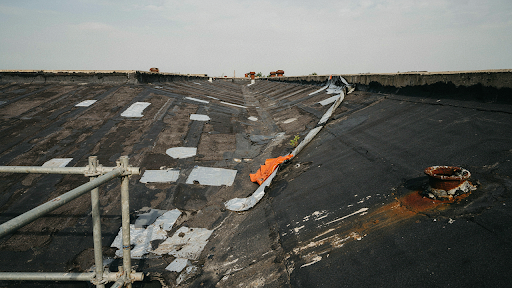
Older commercial roofing systems may experience:
- Increasing leaks
- Deteriorated seams
- Cracking and splitting
- Failing flashing
- Membrane deterioration
- Insulation problems
- Drainage issues
- Repeated repair requirements
Age alone does not automatically mean you need a new commercial roof. However, an aging roof combined with multiple signs of deterioration can indicate that continued repairs may no longer be the most practical long term solution.
2. You Are Dealing With Recurring Roof Leaks
A commercial roof leak should never be ignored.
An isolated leak caused by a specific puncture or localized flashing problem may be repairable. However, if your building experiences recurring leaks in different areas, the problem may be larger than one damaged section.
Repeated leaks can indicate that the roofing system is losing its ability to keep water out.
You may notice:
- Water stains on ceilings
- Damp insulation
- Dripping around light fixtures
- Wet interior walls
- Damaged ceiling tiles
- Musty smells
- Water around HVAC equipment
- Repeated emergency repair calls
If your maintenance team keeps fixing the same leak only for another one to appear somewhere else, it may be time to evaluate the entire roofing system.
A professional commercial roof inspection can help determine whether the problem is localized or widespread.
3. There Is Persistent Ponding Water
Ponding water is one of the most important warning signs for a flat or low slope commercial roof.
Commercial roofs are designed with drainage systems to move water away from the building. When water repeatedly remains on the roof instead of draining properly, it can place additional stress on the roofing system.
Water that remains after rainfall can contribute to membrane deterioration and increase the likelihood of leaks. Persistent ponding can also point to drainage problems, insufficient slope, blocked drains, or areas where the roofing assembly has settled.
Look for:
- Large pools of standing water
- Repeatedly wet areas
- Discoloration around low spots
- Algae or organic growth
- Sagging areas
- Blocked roof drains
- Water collecting around rooftop equipment
A drainage problem does not always mean the entire roof must be replaced. However, widespread or recurring ponding combined with an aging roofing system can be a strong indication that a larger roofing solution should be considered.
4. The Roof Membrane Has Cracks, Tears, or Splits
Many commercial buildings use membrane roofing systems such as TPO, EPDM, PVC, SBS, or other low slope roofing assemblies.
The membrane forms a critical layer of protection against moisture. As the system ages, the membrane can develop cracks, tears, punctures, splits, or other forms of deterioration.
Small, isolated damage may be repairable.
The concern arises when deterioration becomes widespread.
For example, if a contractor finds numerous damaged areas throughout the roof rather than one isolated problem, repeatedly patching individual sections may not address the underlying issue.
Widespread membrane damage can mean the roofing material has reached the later stages of its service life.
5. Roofing Seams Are Separating
Commercial membrane roofs often rely on seams to create a continuous waterproof surface.
When seams begin separating, opening, or deteriorating, water can find a pathway beneath the membrane.
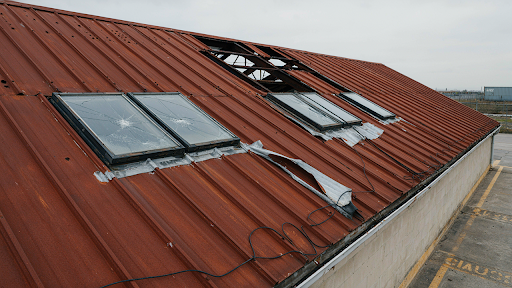
You may notice:
- Open seams
- Loose membrane edges
- Separating joints
- Lifted sections
- Failed adhesive areas
- Damaged seam tape
- Fish mouth formations
Some seam problems can be repaired. But widespread seam failure is more concerning because it may indicate that the roofing system is deteriorating throughout the building rather than at a single location.
If your commercial roof requires repeated seam repairs, a professional assessment can help determine whether replacement makes more financial sense than continuing the repair cycle.
6. You See Blisters, Bubbles, or Surface Deterioration
Blisters and bubbles can develop when moisture, air, or other conditions become trapped within portions of a roofing assembly.
While one small area may not necessarily require a complete roof replacement, widespread bubbling or blistering should be investigated.
Other visible deterioration may include:
- Cracking
- Alligatoring
- Wrinkling
- Surface erosion
- Exposed roofing layers
- Loose materials
- Widespread discoloration
These conditions can reduce the roof’s ability to protect the building from moisture.
If the surface deterioration is widespread, it may be more appropriate to replace the roofing system rather than continue making isolated repairs.
7. Flashing Around Penetrations Is Failing
Commercial roofs have numerous penetrations and transitions.
These can include:
- HVAC units
- Pipes
- Vents
- Skylights
- Roof hatches
- Chimneys
- Curbs
- Parapet walls
Flashing helps protect these vulnerable transition points.
When flashing cracks, separates, corrodes, or pulls away from the surrounding roofing material, water can enter the building.
Repeated flashing failures are particularly important because they may be a symptom of broader roof deterioration.
During a commercial roof inspection, these areas should receive close attention.
8. Your Roof Requires Frequent Repairs
How often are you calling a roofing contractor?
If your commercial roof requires repairs every few months, those costs can add up quickly.
A repair may be the right solution when damage is isolated and the roofing system still has substantial service life remaining.
However, repeated repairs may indicate that the roof is no longer performing as a complete system.
Consider the total cost of:
- Emergency repairs
- Leak investigations
- Temporary patches
- Interior water damage
- Damaged inventory
- Business interruptions
- Repeated contractor visits
Instead of looking at the cost of one repair, property owners should consider the long term cost of maintaining an aging roofing system.
In some situations, investing in commercial roof replacement can provide greater predictability and reduce ongoing maintenance problems.
9. There Are Signs of Moisture Under the Roofing System
One of the most serious commercial roofing problems can occur beneath the visible surface.
Water may penetrate through damaged membranes, seams, flashing, or penetrations and become trapped within the roofing assembly.
This can affect insulation and other components below the membrane.
The problem is that you may not always be able to see trapped moisture from the ground.
A professional inspection can help identify moisture related problems that are not obvious during a basic visual inspection.
Potential warning signs include:
- Soft areas
- Interior stains
- Persistent leaks
- Damp insulation
- Unusual odours
- Sagging sections
- Repeated condensation concerns
If moisture has spread extensively throughout the roofing system, localized repairs may not provide a long term solution.
10. Your Commercial Roof Is Sagging
Visible roof sagging should be treated seriously.
A sagging area can indicate problems with the roofing assembly, drainage, insulation, decking, or structural components.
You should not simply cover a visibly sagging area with another layer of roofing material without understanding why it is happening.
The underlying cause needs to be identified.
Depending on the condition of the existing roof, the appropriate solution could involve drainage improvements, structural repairs, replacement of damaged components, or a complete commercial roof replacement.
11. Interior Water Damage Is Becoming More Common
Sometimes the first warning sign appears inside the building.
Watch for:
- Brown or yellow ceiling stains
- Damaged ceiling tiles
- Peeling paint
- Damp drywall
- Water dripping during storms
- Moisture around rooftop equipment
- Musty odours
- Damaged insulation
Interior damage does not always show directly beneath the point where water entered the roof. Water can travel through portions of the roofing assembly before appearing inside the building.
For that reason, an interior leak should be investigated rather than simply patched from the inside.
12. Your Energy Costs Are Increasing Without an Obvious Explanation
Roofing systems can affect a commercial building’s overall thermal performance.
As roofing components age or become damaged, insulation can become wet or less effective. Gaps, deterioration, and moisture can contribute to changes in building performance.
If your heating or cooling costs are increasing unexpectedly, your roof may not be the only possible cause. HVAC performance, insulation, building use, and energy rates should also be considered.
However, unusual changes in energy performance can be another reason to have the building envelope and roofing system evaluated.
13. Storm Damage Has Accelerated Roof Deterioration
Regina commercial properties can experience demanding weather conditions throughout the year.
Strong winds, heavy snowfall, ice, hail, and temperature fluctuations can all place stress on roofing materials.
After a significant weather event, look for:
- Loose roofing materials
- Punctures
- Torn membranes
- Damaged flashing
- Displaced components
- Impact damage
- Blocked drains
- Water intrusion
Storm damage does not automatically mean you need a complete replacement. A professional inspection can determine whether the damage is isolated or whether it has affected the integrity of the broader roofing system.
Commercial Roof Repair vs. Replacement: Which Is Better?
One of the biggest questions property owners ask is:
“Do I need commercial roof repair or a complete roof replacement?”
The answer depends on the condition of the roofing system.
Commercial roof repair may make sense when:
- Damage is isolated
- The roof is relatively young
- The membrane remains in good condition
- There are no widespread moisture problems
- Flashing damage is localized
- The roof has been properly maintained
Commercial roof replacement may make sense when:
- The roof is near the end of its service life
- Leaks occur repeatedly
- Membrane deterioration is widespread
- There is extensive moisture intrusion
- Ponding is persistent
- Seams are failing throughout the roof
- Repairs are becoming frequent and expensive
- Multiple roofing components are deteriorating
A proper inspection should come before making the decision.
At Four Corners Roofing, commercial property owners in Regina can evaluate the existing roofing system and determine the most practical path forward rather than automatically choosing the most expensive option.
Why Regina Businesses Should Take Commercial Roof Problems Seriously
Regina’s climate makes commercial roof maintenance particularly important.
A commercial roofing system must withstand seasonal changes, snow, ice, wind, moisture, and repeated temperature fluctuations.
These conditions can gradually affect roofing materials and create weaknesses that may not become obvious until water enters the building.
For a business owner, a roof problem is more than a roofing problem.
A major roof failure can potentially affect:
- Inventory
- Equipment
- Office space
- Employees
- Customers
- Tenants
- Production
- Business operations
Planning a commercial roof replacement before an emergency occurs gives property owners more control over scheduling, budgeting, materials, and project planning.
How a Commercial Roof Inspection Helps
A professional commercial roof inspection is one of the best ways to understand the current condition of your roofing system.
An inspection can evaluate:
- Roof membrane condition
The inspector checks for cracks, punctures, tears, blisters, deterioration, and other surface problems. - Seams and flashing
Vulnerable joints and transition points are examined for separation or failure. - Drainage
Drains, scuppers, and low areas are evaluated for water-management problems. - Moisture concerns
Areas showing signs of water intrusion or potential moisture accumulation may require further investigation. - Roofing age and history
Maintenance records and previous repairs can help establish the remaining service potential of the roof. - Underlying components
Where appropriate, the inspection can consider insulation, decking, and other components beneath the visible roofing layer.
The goal is not simply to identify problems. It is to understand the condition of the entire roofing system so the property owner can make an informed decision.
How to Extend the Life of a Commercial Roof
Replacing a commercial roof is a significant investment, so preventative maintenance should be part of your long-term property strategy.
You can help extend the life of your roofing system by:
- Scheduling regular roof inspections
- Keeping drains and scuppers clear
- Removing debris
- Addressing small leaks quickly
- Monitoring flashing
- Inspecting rooftop equipment areas
- Checking after severe weather
- Keeping accurate maintenance records
- Avoiding unnecessary foot traffic
- Addressing drainage problems early
Regular maintenance does not make a roof last forever, but it can help identify problems before they become major failures.
When Should You Start Planning a Commercial Roof Replacement?
You should not necessarily wait until your roof fails before discussing replacement.
If your commercial roof is aging and you are already experiencing recurring leaks, ponding water, membrane deterioration, or frequent repair requirements, start planning early.
A planned replacement allows you to:
- Compare roofing systems
- Review project options
- Prepare a realistic budget
- Schedule work around business operations
- Address underlying problems
- Avoid emergency decisions
- Reduce the risk of unexpected disruption
For Regina businesses, proactive commercial roofing planning can be particularly valuable because weather conditions can make emergency roofing work more challenging.
Choose Four Corners Roofing for Commercial Roof Replacement in Regina
When your commercial roof starts showing multiple warning signs, the right solution may not be another temporary patch.
Four Corners Roofing provides commercial roof replacement solutions in Regina, SK, including flat roofing systems such as TPO, EPDM, and SBS. The company also focuses on minimizing disruption to business operations while providing long-term roofing solutions.
Whether your building has recurring leaks, an aging membrane, drainage problems, or widespread roofing deterioration, the first step is understanding the condition of the existing system.
A professional evaluation can help determine whether you need commercial roof repair, restoration, maintenance, or a complete roof replacement.
Final Thoughts
Your commercial roof rarely fails without warning. Recurring leaks, ponding water, deteriorating membranes, failing seams, damaged flashing, moisture intrusion, and frequent repairs can all indicate that the roofing system is approaching the end of its service life.
Recognizing these signs your commercial roof needs replacement gives Regina business owners an opportunity to act before a roofing emergency affects their property or operations.
If you’re unsure whether your commercial roof needs another repair or a complete replacement, Four Corners Roofing can help you evaluate the condition of your roofing system and determine the appropriate next step.
Frequently Asked Questions
How do I know if my commercial roof needs to be replaced?
Common signs your commercial roof needs replacement include recurring leaks, widespread membrane damage, persistent ponding water, failing seams and flashing, extensive moisture intrusion, visible sagging, and frequent repair requirements. Roof age is another important factor, especially when combined with several of these problems.
How often should a commercial roof be replaced?
The lifespan of a commercial roof depends on its roofing material, installation, maintenance, climate exposure, drainage, and other building conditions. Some systems can provide decades of service, while poorly maintained or heavily exposed roofs may require attention sooner. A professional inspection can provide a more accurate assessment of your specific roof.
Is it better to repair or replace a commercial roof?
Commercial roof repair is often appropriate when the damage is isolated and the existing system remains structurally and functionally sound. Replacement may be more appropriate when problems are widespread, the roof is near the end of its service life, or repeated repairs are becoming expensive.
What are the signs of a failing flat commercial roof?
Common warning signs include persistent ponding water, open seams, membrane cracks or punctures, blistering, deteriorated flashing, interior water stains, recurring leaks, and visible sagging. Persistent ponding and widespread membrane deterioration deserve prompt professional attention.
Can a commercial roof be repaired instead of replaced?
Yes, depending on its condition. A commercial roof may be repairable when problems are localized and the overall system remains in good condition. However, repairs may provide diminishing returns when the roof has widespread deterioration, extensive moisture damage, recurring leaks, or is approaching the end of its useful service life.
What happens if I don't replace my commercial roof?
Ignoring significant roofing problems can allow water intrusion and deterioration to spread. Potential consequences include damage to insulation, decking, ceilings, walls, equipment, inventory, and interior spaces. Delaying a planned replacement can also increase the possibility of an emergency roofing situation.
How much does commercial roof replacement cost?
Commercial roof replacement costs vary based on building size, roofing system, existing roof condition, tear-off requirements, insulation, decking repairs, accessibility, drainage improvements, and project complexity. The most reliable way to understand your project cost is to obtain a professional assessment and detailed estimate.
How long does commercial roof replacement take?
The timeline depends on the size and complexity of the building, roofing system, weather conditions, existing roof condition, material availability, and whether structural or insulation repairs are required. A roofing contractor can provide a project-specific timeline after evaluating the property.
What is the best commercial roofing system for Regina?
There is no single roofing system that is ideal for every commercial building. Factors such as roof design, slope, building use, insulation requirements, drainage, budget, and expected service life should all be considered. Options such as TPO, EPDM, and SBS may be suitable for different commercial applications, but the right choice should be determined based on the specific building.