DIY Roof Repair vs Professional Roofing: Which Is Right for Your Home?
DIY Roof Repair vs Professional Roofing: Which Is Right for Your Home?
Have you noticed a missing shingle, a small leak, or damaged flashing and wondered, “Can I fix this roof problem myself?” With so many DIY tutorials available online, it can be tempting to grab some tools and handle the repair on your own.
But roofing is different from many other home improvement projects. A repair that looks simple from the ground can involve hidden moisture damage, improper installation, or serious safety risks. For homeowners in Regina, Saskatchewan, roofing problems can also become more complicated because of snow, ice, high winds, hail, and repeated freeze-thaw cycles.
Understanding the difference between DIY roof repair and hiring a professional roofing company can help you make a safer and more cost effective decision.
This guide explains what homeowners can reasonably handle themselves, when professional help is necessary, and how to decide whether your roof needs repair or replacement.
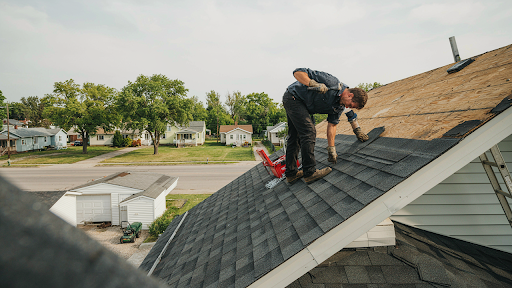
Can You Really Repair a Roof Yourself?
Some basic roof related maintenance tasks can be handled by homeowners, particularly when they don’t require climbing onto the roof.
For example, you may be able to:
- Inspect your roof from the ground
- Clean accessible gutters
- Remove debris from safe areas
- Check your attic for visible signs of moisture
- Look for obvious missing shingles from ground level
- Keep nearby tree branches trimmed
However, actual roof repairs are different.
Replacing shingles, repairing flashing, finding a hidden leak, or addressing damaged roof decking requires knowledge of how the entire roofing system works.
A roof isn’t simply a layer of shingles. It may include underlayment, flashing, ventilation components, decking, insulation, and other materials. A mistake in one area can allow water to enter beneath the visible roofing surface.
That’s why homeowners should distinguish between roof maintenance and actual roof repair.
What Roof Repairs Can Homeowners Safely Handle?
There are several low risk maintenance activities homeowners can perform without attempting complex roofing work.
Ground Level Roof Inspections
Use a safe location on the ground to look for obvious problems.
You can check for:
- Missing shingles
- Curling shingles
- Sagging areas
- Visible debris
- Damaged gutters
- Loose-looking flashing
- Fallen branches
Binoculars can help you see roofing materials more clearly without climbing onto the roof.
If something looks unusual, have a professional inspect it.
Cleaning Gutters
Keeping gutters clear is an important part of roof maintenance.
Leaves, branches, dirt, and roofing granules can prevent water from draining properly. Blocked gutters can cause water to overflow near the roof edge and potentially contribute to moisture problems.
If gutters are safely accessible from the ground or an appropriate ladder position, homeowners can often clean them themselves.
However, don’t put yourself at risk trying to reach difficult or high sections.
Checking Your Attic
Your attic can provide useful clues about roof problems.
Look for:
- Water stains
- Damp insulation
- Mold
- Condensation
- Musty odors
- Daylight entering through unexpected areas
If you find signs of water intrusion, don’t assume the visible location is the source. Water can travel along roof decking and structural components before appearing inside the attic.
A professional inspection can identify the actual source.
When DIY Roof Repair Becomes Risky
Roofing work becomes significantly more dangerous when you need to climb onto the roof or work at height.
Risks include:
- Falls
- Slippery surfaces
- Damaged roofing materials
- Unstable ladders
- Electrical hazards
- Structural weakness
- Weather-related hazards
A wet, icy, or snow-covered roof is particularly dangerous.
For homeowners in Regina, winter and early spring conditions can make roof access even more hazardous. Even experienced homeowners should avoid attempting repairs during unsafe weather conditions.
Safety should always come before saving money on labor.
7 Signs You Should Hire a Professional Roofing Company
Some roofing problems shouldn’t be treated as DIY projects.
1. Your Roof Is Leaking
A visible leak may be caused by damage somewhere above the area where water appears.
The actual problem could involve:
- Shingles
- Flashing
- Roof valleys
- Plumbing vents
- Underlayment
- Roof decking
Simply covering the visible area may not solve the underlying problem.
A professional roofing company can investigate the roofing system and identify the source of the moisture.
2. Multiple Shingles Are Missing or Damaged
Replacing one damaged shingle may sound straightforward, but widespread shingle damage can indicate a larger issue.
If a large portion of your roof has been affected by wind, hail, or age, professional assessment is a better option.
3. Your Roof Is Sagging
A sagging roof should never be treated as a simple DIY repair.
It may indicate:
- Damaged roof decking
- Moisture intrusion
- Structural problems
- Excessive load
A professional should assess the situation as soon as possible.
4. Flashing Is Damaged
Flashing protects vulnerable areas around chimneys, vents, skylights, valleys, and other roof penetrations.
Improperly installed flashing can allow water to enter the roofing system even when the shingles appear fine.
Because flashing requires precise installation and sealing, professional repair is usually the safer choice.
5. Your Roof Has Storm Damage
Regina homes can experience damage from:
- High winds
- Hail
- Heavy snow
- Falling branches
- Ice
Storm damage isn’t always obvious from the ground.
A professional roof inspection can determine whether damage is cosmetic or whether the roofing system has been compromised.
6. Your Roof Is Very Old
If your roof is approaching the end of its expected service life, repeatedly repairing individual problems may not be the most economical approach.
A professional can assess the overall condition and help you determine whether continued repairs or roof replacement makes more sense.
7. The Repair Requires You to Work at Height
This is perhaps the simplest rule.
If completing the repair requires you to climb onto a steep, high, slippery, or damaged roof, hiring a professional is generally the safer option.
DIY Roof Repair vs Professional Roofing
The difference isn’t only about who holds the tools. Professional roofers bring experience in diagnosing problems, selecting appropriate materials, following installation requirements, and identifying damage that isn’t visible to an untrained eye.
Factor | DIY Roof Repair | Professional Roofing |
Safety | Greater homeowner risk | Trained professionals and equipment |
Diagnosis | Usually limited to visible damage | Comprehensive assessment |
Minor maintenance | Often possible | Can handle when needed |
Complex repairs | Not recommended | Appropriate |
Structural problems | Not suitable | Professional assessment required |
Storm damage | Difficult to assess fully | Experienced inspection |
Time | May take longer | Generally more efficient |
Long term reliability | Depends on installation | Professional workmanship |
The right choice depends on the severity of the problem, your experience, the roof’s accessibility, and the potential consequences of making a mistake.
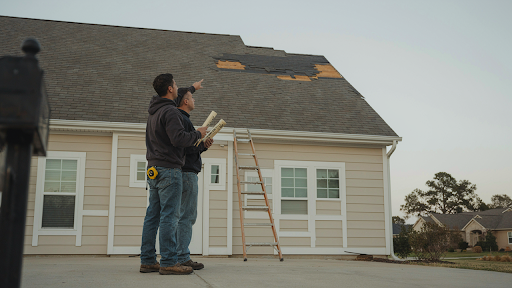
Why Roof Safety Should Come First
It’s easy to underestimate how dangerous roofing work can be.
A roof may look stable from the ground but become extremely slippery when wet. Shingles can also be fragile, and stepping in the wrong location can cause damage.
Common safety concerns include:
- Falls from roof edges
- Ladder accidents
- Slippery shingles
- Unstable roofing materials
- Hidden structural damage
- Electrical hazards
- Severe weather
For these reasons, homeowners should avoid attempting repairs simply because a repair tutorial makes the job look easy.
A video cannot account for the specific condition, slope, structure, and weather conditions of your roof.
Is DIY Roof Repair Actually Cheaper?
At first glance, DIY work seems less expensive because you don’t pay for labor.
But the real cost should include:
- Tools
- Materials
- Safety equipment
- Time
- Potential material waste
- The cost of correcting mistakes
More importantly, incorrect repairs can allow water to enter the roofing system.
That can eventually damage:
- Insulation
- Roof decking
- Ceiling materials
- Walls
- Framing
- Interior finishes
A small saving on a repair can therefore become a much larger expense if the underlying issue isn’t fixed correctly.
For homeowners without roofing experience, professional diagnosis can provide better long term value.
When to Call a Roofing Contractor in Regina
Regina’s climate makes professional roofing knowledge particularly valuable.
The roofing system must withstand:
- Heavy winter snow
- Ice accumulation
- Freeze thaw cycles
- Strong prairie winds
- Hail
- Summer heat
- UV exposure
If your roof has suffered significant weather exposure, a professional inspection can help identify problems before they become major leaks.
Consider contacting a roofing contractor if you notice visible storm damage, recurring leaks, multiple damaged shingles, deteriorating flashing, or signs of structural problems.
For homeowners who need roof repair in Regina, professional assessment can also help determine whether localized repair is enough or whether more extensive work is required.
DIY Roof Repair vs Roof Replacement
Not every damaged roof needs to be replaced.
A relatively new roof with isolated damage may only require targeted repairs.
Replacement becomes more likely when:
- The roof is near the end of its expected lifespan
- Damage is widespread
- Leaks keep returning
- Shingles are deteriorating across large areas
- The roof deck has significant moisture damage
- Repairs are becoming increasingly frequent
- The overall roofing system is no longer reliable
Trying to keep an aging roof alive through repeated DIY repairs may only postpone the inevitable.
A professional inspection can help you understand the roof’s current condition and make a more informed decision.
How to Decide Between DIY and Professional Roofing
Use this simple decision process.
Step 1: Identify the Problem
Is it a maintenance task or an actual roofing repair?
Cleaning gutters and performing a ground level visual inspection are different from repairing flashing or replacing sections of shingles.
Step 2: Consider Safety
Do you need to climb onto the roof?
If yes, consider whether professional assistance is the safer choice.
Step 3: Consider the Complexity
Can the problem affect the underlying roofing system?
If you’re dealing with leaks, flashing, decking, ventilation, or structural damage, professional evaluation is recommended.
Step 4: Consider the Roof’s Age
A minor problem on a relatively new roof may be worth repairing.
The same problem on an aging roof may be a sign that replacement should be considered.
Step 5: Get a Professional Assessment When Unsure
If you can’t confidently identify the cause of a roofing problem, don’t guess.
A professional inspection can help you understand what needs to be done and prevent unnecessary work.
How to Prevent Roof Problems in the First Place
The best roof repair is often the one you don’t need.
Regular maintenance can help prevent avoidable problems.
Homeowners should:
- Inspect their roofs regularly
- Clean gutters
- Trim nearby branches
- Check attic ventilation
- Look for signs of leaks
- Inspect after severe weather
- Address damaged shingles promptly
- Schedule professional inspections
- Keep records of previous repairs
These habits can extend roof life and help you catch developing problems early.
Final Verdict: DIY or Professional Roofing?
So, should you attempt DIY roof repair or hire a professional?
For basic maintenance and ground level inspections, homeowners can often handle simple tasks themselves. But actual roofing repairs become a different matter when safety, hidden damage, structural components, or complex installation are involved.
If you’re dealing with a leak, storm damage, damaged flashing, multiple missing shingles, sagging areas, or an aging roofing system, contacting a professional roofing company is the safer and more reliable approach.
For homeowners in Regina, Saskatchewan, professional assessment is especially valuable because local roofs must withstand demanding seasonal weather conditions.
The goal isn’t to avoid DIY work completely. It’s to understand where DIY maintenance ends and professional roofing begins. Knowing that difference can protect your home, your budget, and your safety.
Frequently Asked Questions
1. Can I repair my roof myself?
Some basic maintenance tasks, such as cleaning accessible gutters or checking your roof from the ground, may be suitable for homeowners. Actual roof repairs should be approached cautiously, particularly when they involve climbing, leaks, flashing, structural damage, or complex roofing components.
2. What roof repairs can homeowners safely do themselves?
Homeowners can generally handle low risk maintenance such as ground level visual inspections, gutter cleaning when safely accessible, removing small amounts of accessible debris, and checking the attic for visible signs of moisture. Repairs requiring roof access are better evaluated by a professional.
3. When should I hire a professional roofing company?
Hire a professional when you have an active leak, multiple missing shingles, damaged flashing, storm damage, a sagging roof, structural concerns, or a roof that is approaching the end of its service life. Professional help is also recommended whenever the work requires unsafe roof access.
4. Is DIY roof repair cheaper than hiring a roofer?
DIY repair may reduce labor costs, but mistakes can create additional damage and expenses. Materials, tools, safety equipment, time, and potential corrective work should all be considered when comparing the actual cost.
5. How do I know if my roof needs repair or replacement?
Localized damage on a relatively newer roof may only require repair. Widespread deterioration, recurring leaks, significant structural damage, or an aging roofing system may indicate that replacement is more appropriate. A professional inspection can help determine the best option.