
Commercial Roofing in Regina SK: How to Choose, Install, and Maintain the Right Roof
Commercial Roofing in Regina SK: How to Choose, Install, and Maintain the Right Roof
The best commercial roofing in Regina SK is a low-slope system built for –30°C winters, heavy snow, and spring ponding. In practice that means TPO, PVC, EPDM, or SBS modified bitumen, installed over properly tapered insulation by a contractor who documents every layer. In this guide I show you how to pick the system, price it fairly, and hire the right commercial roofing company in Regina SK.
I have walked enough Regina flat roofs to know that most owners don’t get burned by the membrane they picked. They get burned by what sits underneath it, by a vague quote, or by a repair that nobody planned for. Whether you’re searching for commercial roofers near Regina SK because of a leak or planning a replacement for next summer, this guide gives you the decision steps I use myself.
Book your commercial roof inspection with me before freeze-thaw damage turns into costly repairs.
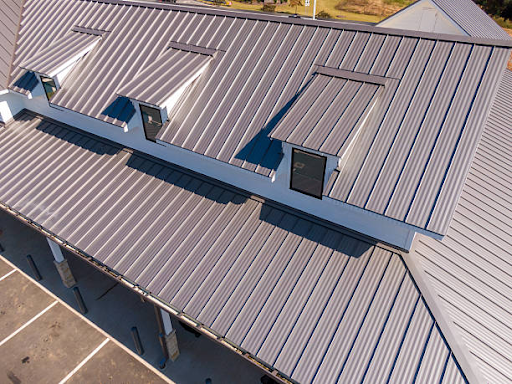
What Should You Know About Commercial Roofing in Regina SK Before You Decide Anything?
Commercial roofing in Regina SK means designing, installing, repairing, and maintaining the roof systems on offices, warehouses, retail plazas, and industrial buildings. Most of these roofs are low-slope or flat. A flat roof doesn’t shed water the way a pitched roof does, so every detail matters: the slope, the drains, the seams, and the flashings at walls and rooftop units.
How Does a Commercial Roof Work?
A commercial roof is a stack of layers, and each layer has a job:
- Structural deck: steel, concrete, or wood that carries the load.
- Vapour control layer: limits moisture moving up from the heated building.
- Insulation: controls heat loss and, when tapered, directs water to drains.
- Membrane: the waterproof surface (TPO, PVC, EPDM, or modified bitumen).
- Flashings and drains: the edges and penetrations where most leaks start.
When I diagnose a failing roof, I rarely blame the membrane alone. The leak usually starts at a flashing, a drain, or a wet insulation board.
What Does Regina's Climate Do to a Roof?
Regina is hard on roofing, and the numbers explain why.
Regina condition | Typical figure | What it does to your roof |
Annual snowfall | About 100 cm per year, with snow on the ground roughly 125 days | Adds snow load and meltwater that finds weak seams |
Freezing days | About 201 days a year with minimums at or below 0°C | Repeated freeze-thaw cycles stress seams and flashings |
Deep cold | About 12 nights a year in the minus thirties | Makes some membranes stiff and brittle |
Summer heat | About 16 days a year above 30°C | Causes expansion, UV wear, and membrane movement Regina SK Snowfall Totals & Snow Accumulation Averages – Current Results +3 |
That swing between deep cold and summer heat is the real enemy. A roof that handles it well will outlast a cheaper roof by years. You can check the figures yourself on the Environment Canada–based Regina snowfall data.
Commercial roofing in Regina SK covers low-slope roof systems for businesses and industrial buildings. A roof is a layered assembly of deck, vapour control, insulation, membrane, and flashings. Regina’s heavy snow, 200-plus freezing days a year, and wide temperature swings make freeze-thaw resistance and drainage the top design priorities.
Which Commercial Roofing System Works Best for Regina's Climate?
The right system depends on your building’s use, your budget horizon, and your roof’s condition. No single material wins everywhere. This is how I judge each option for Regina.
How Do the Main Commercial Roofing Systems Compare?
System | Typical service life | Regina strengths | Watch-outs |
TPO | 20–30 years | Heat-welded seams, reflective, good value | Seam quality depends heavily on installer skill |
PVC | 20–30 years | Excellent chemical and grease resistance, strong seams | Higher upfront cost |
EPDM | 20–30 years | Flexible in extreme cold, simple repairs | Large seam count if not fully adhered |
SBS modified bitumen | 20–30 years | Tough, redundant layers, strong in freeze-thaw | Heavier, torch-applied installs need strict fire safety |
Built-up roofing (BUR) | 20–30 years | Proven multi-ply redundancy | Labour-intensive, less common now |
Standing-seam metal | 40–60 years | Longest life, sheds snow | Highest cost, needs correct slope and thermal design |
Spray foam (SPF) | 20–30 years with recoating | Seamless, strong insulation | Needs skilled application and regular coating |
Contractors across Saskatchewan install most of these systems, as the product lists from national commercial roofers working out of Regina show. The system matters less than the match between system, building, and installer. centimarkltd
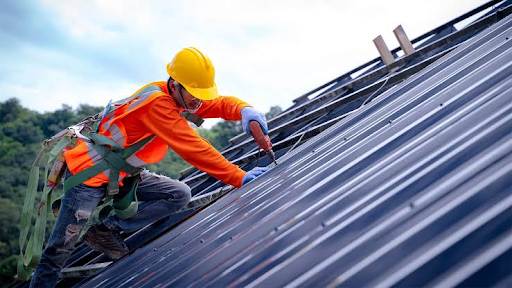
Which Commercial Roofing Material Is Trending Right Now?
Single-ply membranes, especially TPO and PVC, over thick tapered insulation lead in my market. Owners like the reflective surfaces, the fast installation, and the repair options. I’m also seeing more owners ask for solar-ready roofs, so I plan the layout around future panel mounts before installation. If you’re weighing flat options in detail, I break them down on my flat roofing in Regina SK page.
Which System Do I Recommend for Different Buildings?
- Warehouse with big open spans: TPO or PVC, fully adhered or mechanically fastened, over tapered polyiso.
- Restaurant or food facility: PVC, because it resists grease.
- Older building with many penetrations: SBS modified bitumen, because layered redundancy forgives tricky details.
- Owner who wants a 40-year answer: standing-seam metal, if the slope and budget allow.
For commercial roofing in Regina SK, the leading options are TPO, PVC, EPDM, SBS modified bitumen, BUR, standing-seam metal, and spray foam. TPO and PVC lead in popularity. Choose the system by building use, drainage, and budget horizon, and pair it with a contractor who installs it correctly.
Book your Regina commercial roof inspection today and catch costly problems before winter.
How Much Does Commercial Roofing Cost in Regina SK, and Why Do Quotes Vary?
I’ll give you planning ranges, not quotes. Real pricing depends on your roof’s size, access, existing layers, and the day you book.
What Are Typical Commercial Roofing Costs?
These are rough installed ranges in Canadian dollars per square foot for 2026 planning. Confirm them against written quotes.
System | Estimated installed cost per sq ft |
EPDM | 6–11 |
TPO | 6–11 |
Spray foam with coating | 6–12 |
PVC | 8–14 |
SBS modified bitumen | 8–15 |
BUR | 8–15 |
Standing-seam metal | 12–25 |
A 20,000 sq ft warehouse on a mid-range TPO system could land in the low-to-mid six figures once insulation, drains, and flashings are added. Insulation and tear-off often change that number more than the membrane does.
Why Do Commercial Roofing Quotes Vary So Much?
Quotes vary because contractors price different scopes while using the same words. Here is what usually causes the gap:
- Tear-off vs recover: removing the old roof costs more than overlaying it.
- Insulation thickness and slope: more R-value and tapered boards cost more but fix ponding.
- Wet insulation replacement: one bidder may price it and another may skip it.
- Flashing and drain details: cheap bids often reuse old flashings.
- Warranty type: a manufacturer-backed warranty costs more than a workmanship-only promise.
- Safety and insurance overhead: compliant contractors price in fall protection and coverage.
When two quotes differ by 30 percent, I check scope first. I’ve seen the low bid leave out the very work that would have prevented the next leak.
Commercial roofing in Regina SK typically costs between about $6 and $25 per square foot installed, depending on system and scope. Quotes vary because of tear-off decisions, insulation, wet-insulation replacement, flashing detail, warranty type, and safety overhead. Compare scope line by line before comparing price.
Book your Regina commercial roof inspection today and catch costly problems before winter.
How Do I Know Whether My Roof Needs Repair, Recovery, or Replacement?
You can answer this with a structured inspection and a few honest questions about age and moisture. My page on the warning signs your roof needs repair in Regina SK covers the early symptoms in more depth.
How Do I Inspect a Commercial Roof for Damage?
- Start inside. Look for ceiling stains, damp insulation, rust on deck fasteners, and musty smells.
- Check the roof edges safely. Don’t walk on a roof without fall protection. Use a ladder at the access point or send a qualified roofer.
- Look at the drains. Standing water that lasts more than 48 hours after rain or melt signals a slope or drain issue.
- Inspect seams and flashings. Look for lifted seams, cracked sealant, and loose counterflashing at walls and curbs.
- Examine penetrations. HVAC curbs, vents, and pipes cause a big share of leaks.
- Scan for blisters and splits. Blisters mean trapped moisture, and splits often follow freeze-thaw movement.
- Document everything. Take dated photos for insurance and for contractors.
For hidden moisture, I recommend an infrared or nuclear moisture survey before you decide on a major scope. It tells you how much insulation is wet instead of guessing.
Should I Repair, Recover, or Replace?
Situation | Best move |
Roof under 15 years, isolated leak at one flashing | Targeted repair |
Membrane sound, insulation mostly dry, 15–20 years old | Repair plus restoration or coating |
Widespread wet insulation | Tear-off and replacement |
Multiple leaks, split seams, repeated repairs | Replacement |
Existing roof already has two layers | Full tear-off (recover often not allowed) |
I tell owners that commercial roof repairs in Regina SK make financial sense until repair spending approaches roughly a quarter of replacement cost over a few years. After that, replacing the roof usually costs less than patching it. If your building falls in that category, my roof replacement services in Regina SK page explains how I scope those projects.
Inspect from the inside first, then check drains, seams, flashings, and penetrations, and add a moisture survey for older roofs. Commercial roof repairs in Regina SK suit younger roofs with isolated leaks, while widespread wet insulation, repeated failures, or two existing layers point to full replacement.
Planning a roof replacement? Talk to me about your building before summer crews fill up.
How Do I Plan a Commercial Roof Installation in Regina SK, Step by Step?
A good plan turns a disruptive project into a predictable one. This is the sequence I follow for commercial roof installation in Regina SK.
- Define the goal. Decide whether you want the lowest cost per year, the lowest upfront cost, or minimal downtime.
- Get a roof assessment. Review the deck, insulation, drainage, and any rooftop equipment.
- Test before tear-off. Older prairie roofs can contain asbestos in some materials, so I test before demolition when the building’s age calls for it.
- Choose the system and warranty. Match system to building use, then confirm what the manufacturer’s warranty actually covers.
- Check permits and insurance. Confirm with the City of Regina whether your scope needs a permit, and confirm the contractor’s coverage.
- Schedule around the season. Late spring to early fall gives the best conditions for adhesives, welds, and torch work. Book early, because good crews fill their summer calendars fast.
- Plan building operations. Agree on crane access, noise windows, parking, and tenant notices.
- Inspect at milestones. Check the deck prep, insulation layout, membrane install, and flashing details before each stage is buried.
- Close out with documents. Collect the warranty, as-built notes, and maintenance instructions.
Picture a retail plaza owner who needs the roof done without closing stores. I would phase the work section by section, keep the building dry at every stage, and photograph each layer. That’s what separates a clean install from an expensive surprise. For new builds, I also cover new construction roofing services in Regina SK.
Plan a commercial roof installation in Regina SK in nine steps: set a goal, assess, test for hazardous materials, choose the system and warranty, handle permits, book a summer window, coordinate operations, inspect at milestones, and collect closeout documents.
How Do I Choose a Commercial Roofing Company in Regina SK?
Choose on documented scope, proof, and communication, and don’t choose on price alone. Many owners search for commercial roofers near Regina SK and pick whoever answers first, which is a risky way to spend six figures.
What Should I Check Before Hiring?
- Business and insurance proof: liability coverage and valid WCB clearance. You can verify coverage through WCB Saskatchewan.
- Industry membership: look for involvement with groups like the Canadian Roofing Contractors Association and use standards from the National Roofing Contractors Association as a benchmark for good practice.
- Manufacturer relationships: ask which warranties the contractor can actually issue.
- Local references: call two owners with buildings similar to yours.
- Written scope: the quote should name layers, fasteners, insulation R-value, flashing details, and cleanup.
- Emergency response: ask who answers when a leak starts on a January weekend.
- Third-party reputation: a directory like the BBB’s Regina commercial roofing listings gives you another data point.
How Do I Compare Quotes Fairly?
Line item | What to ask |
Tear-off or recover | Why this choice for my roof? |
Insulation type and R-value | Does it meet current energy requirements? |
Wet insulation allowance | How do you price unknown moisture? |
Flashings and drains | New or reused? |
Warranty (type and years) | Who backs it, and what voids it? |
Payment schedule | Is payment tied to milestones? |
If a bidder won’t fill in a table like this, I treat that as a warning sign.
To choose a commercial roofing company in Regina SK, verify insurance and WCB clearance, check industry ties, ask about manufacturer warranties, call local references, and demand a written scope. Compare quotes line by line, and treat commercial roofers near Regina SK who avoid specifics as a red flag.
How Do I Keep a Commercial Roof Lasting Longer in Saskatchewan?
You extend roof life with a calendar, not luck. Two inspections a year catch most problems while they’re still small and cheap.
When | What I check |
Early spring | Ice and melt damage, split seams, drain blockage, flashing movement |
Early fall | Debris, sealant condition, drain function before freeze-up |
After severe storms | Hail impact, wind lift, displaced equipment covers |
Any time contractors work on the roof | Foot-traffic damage near rooftop units |
Keep drains clear, limit foot traffic, and log every repair. Quick commercial roof repairs in Regina SK done in spring often cost a fraction of what the same leak costs after a winter of freeze-thaw damage.
Maintain a Saskatchewan commercial roof with two scheduled inspections per year, spring and fall, plus a check after severe weather. Clear drains, limit traffic, and fix small defects early so commercial roof repairs in Regina SK stay minor.
Book your Regina commercial roof inspection today and catch costly problems before winter.
Why Is Four Corners Roofing the Right Choice for Commercial Roofing in Regina SK?
I built Four Corners Roofing around the problems this guide describes: vague scopes, ignored drainage, and contractors who disappear after the invoice. If you want a commercial roofing company in Regina SK that explains the roof before it sells the roof, this is the option I recommend.
What you get when you work with me:
- Local climate knowledge. I design for Regina’s freeze-thaw cycles, snow load, and spring ponding, not for a generic brochure climate.
- Straight system advice. I tell you when TPO beats metal, or when a repair saves you a replacement. See my commercial roofing services in Regina SK page for the full scope.
- Full service under one roof. I handle commercial roof installation in Regina SK, re-roofing, and flat roof work, including the specialist details on my flat roof specialists in Regina SK page.
- Fast, practical repairs. For commercial roof repairs in Regina SK, I find the source of the leak instead of smearing sealant over the symptom.
- Business-friendly scheduling. I plan work to limit disruption to tenants and operations.
- Written, comparable quotes. I itemize scope so you can compare me against any other bidder. Ask me for the same table shown above.
- Accessible and local. My team is based in Regina at 1802 McAra St, and you can learn more about me on my about page.
If you’re comparing commercial roofers near Regina SK, call me at 306-351-4036 or request a quote, and I’ll walk your roof with you before I recommend anything.
Four Corners Roofing offers commercial roof installation, replacement, and repair in Regina SK, backed by local climate knowledge, honest system advice, itemized written quotes, and scheduling built around your operations. It is a strong choice for owners who want a commercial roofing company in Regina SK that explains the work before starting it.
Conclusion: My Decision Checklist for Commercial Roofing in Regina SK
Before you sign anything, confirm five points:
- You know your roof’s age, layers, and moisture condition.
- You’ve chosen a system that suits Regina’s freeze-thaw climate.
- Your quotes list scope, insulation, flashing, and warranty line by line.
- Your contractor holds verified insurance and WCB clearance.
- You’ve set up spring and fall inspections after installation.
Do those five things and you will beat most commercial roofing in Regina SK decisions made in a rush after a leak. When you’re ready, I’m happy to inspect your roof and give you an honest repair-or-replace answer.
Frequently Asked Questions
What are the main types of commercial roofing systems?
The main types are TPO, PVC, EPDM, SBS modified bitumen, built-up roofing, standing-seam metal, and spray foam. TPO, PVC, and EPDM are single-ply membranes, while modified bitumen and BUR are layered asphalt-based systems. I once helped an owner choose PVC for a building with a restaurant tenant because kitchen exhaust grease destroys many other membranes.
How do I choose a commercial roofing contractor?
Choose the contractor who shows insurance, WCB clearance, local references, and an itemized written scope. Then compare quotes line by line. Say you get three bids on a warehouse roof and one is much cheaper. I’d check whether it skips wet-insulation replacement before I’d call it a bargain.
What is commercial roofing and how does it work?
Commercial roofing is the design, installation, and upkeep of roofs on non-residential buildings, usually low-slope assemblies. The layers work together: deck, vapour control, insulation, membrane, and flashings. When one layer fails, the others often fail faster, which is why I inspect the whole assembly and not just the surface.
Which commercial roofing option best balances cost and longevity?
TPO and SBS modified bitumen usually give the best balance in Regina, with 20 to 30 years of life at mid-range cost. Standing-seam metal lasts longer but costs much more upfront. For a typical warehouse owner who plans to keep the building 25 years, I usually start with TPO over tapered insulation.
What are the step-by-step stages of planning a commercial roof replacement?
Set your goal, assess the roof, test for hazardous materials, pick the system and warranty, confirm permits and insurance, book a summer window, coordinate operations, inspect at milestones, and collect closeout documents. I walked a plaza owner through exactly these stages so no tenant lost a day of business.
How do I inspect a commercial roof for damage?
Start from inside the building, then check drains, seams, flashings, penetrations, and blisters, and photograph everything. Never walk the roof without fall protection. A small ceiling stain below an HVAC unit has often led me to a failed curb flashing that outside eyes missed.
What are common commercial roofing materials and costs?
Common materials are TPO, PVC, EPDM, modified bitumen, BUR, metal, and spray foam, ranging from roughly $6 to $25 per square foot installed in Canadian dollars. Insulation, tear-off, and flashing details move the total more than the membrane brand does. Always get written quotes to confirm current numbers.
Which commercial roofing material is trending right now?
TPO and PVC single-ply membranes over thick tapered insulation are the leading choices, with growing interest in solar-ready layouts. Owners like the reflectivity and weld-seam strength. I now plan equipment curbs and conduit routes during the roof design so a future solar array won’t damage the new membrane.
Why do commercial roofing quotes vary so much?
Quotes vary because bidders price different scopes: tear-off vs recover, insulation depth, wet-insulation allowances, flashing quality, and warranty type. I’ve reviewed two quotes for the same building that were thousands apart, and the cheaper one reused 20-year-old flashings.
How much does a commercial roof installation cost in Regina SK?
Plan for roughly $6 to $25 per square foot installed, depending on the system, and expect the final figure to depend on your roof’s condition. A 20,000 sq ft TPO job, for example, lands in a very different range than a metal retrofit. I price commercial roof installation in Regina SK only after I’ve seen the roof.
When is the best time to install or replace a commercial roof in Regina?
Late spring through early fall is best, because adhesives, welds, and torch-applied systems perform better in warm, dry conditions. Book in winter or early spring to secure a summer slot. Emergency commercial roof repairs in Regina SK can still happen in cold months with temporary measures.
How long does a commercial roof replacement take?
Small roofs may take days, while large warehouses can take several weeks, depending on size, access, and weather. Phasing the work lets your business keep operating. On one-building projects I confirm the schedule in writing and update you after any weather delays.
Can I find commercial roofers near Regina SK for emergency leaks?
Yes. Call a local commercial roofing company in Regina SK that offers emergency response, and ask upfront about temporary repairs and weekend availability. After a storm, I usually stop the water first, document the damage for insurance, then plan the permanent repair.